
No child should be left without Islamic Education and Tarbiyah
Fulwood, Preston
Since 1995
Our Vision
All Praise is due to Allah Almighty, the Lord of the Universe and peace and blessings be upon our Noble Messenger, Sayyiduna Muhammad ﷺ
Assalamu'alaykum Wa Rahmatullahi Wa Barakatuh,
The importance of the 21st century Maktab/Madrasah is no less than what it was in the 1960's when our ancestors first step foot onto these shores. With the Muslim population ever-increasing, the demand for Islamic Education in a formal setting is as high as ever. Lack of space, finances and other resources further magnified this challenge. Alhamdulillah, through the grace of Allah, we have risen above this and met these challenges through the support of our parents, teachers, trustees and well-wishers.
Our Vision - No child should be left without Islamic Education & Tarbiyah
The Messenger (sallallahu 'alayhi wa sallam) mentions,
'The acquisition of (Islamic) knowledge is obligatory upon every Muslim'
It is necessary for every Muslim to acquire knowledge by which they can differentiate from right & wrong, permissible & impermissible, obligatory & non-obligatory. This, together with our robust Tarbiyah curriculum formulates part of our vision to provide a thorough Islamic Education with a particular focus on implementation. This is the very minimum we offer, and we believe that no child should be left out, irrespective of age, colour, or ethnicity.
What we have achieved thus far is solely the Grace of Allah and through the support of our parents and wider community. We acknowledge that there is room for improvement, thus requesting your earnest prayers and support in ensuring that we can fulfil the rights of the children and ability to run the Madrasah in a manner that is pleasing to Allah alone.
Jazakallahu Khayran
Maulana Suhail – (Headteacher)
- Classes
- Reception through to Class 9
- Days
- Monday to Friday, all classes
- Session 1
- 4:25pm to 5:55pm
- Session 2
- 6:00pm to 7:30pm
- Hifz class
- 5:00pm to 7:30pm
- Established
- 1995
Madrasah Contribution
Fees can be paid in cash at the Madrasah office or bank transfer to;
Salaam Educational Trust
HSBC
Sort Code: 40-37-25
Account Number: 44238095
The fees for the full academic year are:
- Reception to Class 6 (inc)
- £480
- Class 7 and above
- £560
- Hifz Boys
- £680
- Hafizah Class
- £680
Policies
- Drop-off Policy
-
To ensure the safety of all pupils and the smooth running of the Madrasah, parents and carers are asked to adhere to the following drop-off procedures:
- Pupils should arrive no earlier than:
- 4:25pm – Session 1
- 5.55pm – Session 2
- Parents and carers must park responsibly and considerately, ensuring their parking and driving is not a cause of inconvenience to others.
- Parents of children in Reception and Class 1 to handover children to their teachers in their classrooms.
- Parents of other children to escort their child to the Madrasah entrance and observe them until they have entered the building.
- The Madrasah accepts responsibility for the supervision of pupils only once they have entered the Madrasah building and during their allocated session times.
- If you are unable to collect your child at the designated finishing time, you must notify the Madrasah as soon as possible by telephone or email.
- A £5 late collection charge will apply where a child is collected more than 10 minutes late without prior notification.
- Pupils should arrive no earlier than:
- Pick-up Policy
-
To ensure a safe and orderly dismissal, parents and carers are asked to follow the procedures below:
- Parents and carers of pupils in Reception and Class 1 should collect their children directly from their classrooms.
- Parents and carers of pupils in Class 2 and above should wait outside the Madrasah building and arrive approximately 3 minutes before the end of the session.
- Once a pupil has left the Madrasah building and has been collected, responsibility for their safety and wellbeing passes to the parent or carer.
- Please be considerate of residents and other road users. Do not stop or park in a manner that obstructs the road, car park, entrances, or other vehicles while dropping off or collecting children.
- Class Dojo
- Communication between Parent and teacher is essential for a child's progress. At Madrasah Salaam we value strong relationships with parents and use this as a fundamental tool to nurture and develop your child's Islamic Education. In keeping with this, you will receive an invite to join our online communication portal (ClassDojo). You can download this on your phone and use it to keep up with your child's progress and communicate with your child's teacher. Please download the app and use the link you have received to sign up.
- Lates/Absences
-
Late arrivals and absences cause significant disruption to the smooth running of the Madrasah and have a negative impact in several areas, including:
- Disruption to the classroom environment.
- Interruption to teaching and learning.
- Disturbance to other pupils.
- Increased demands on office staff due to repeated interruptions.
- Previously agreed late arrivals of 10 minutes have, in some cases, increased to 20–30 minutes or more.
- Pupils with frequent absences or late arrivals risk falling behind in their studies and losing interest in their learning.
To minimise disruption and ensure the best learning environment for all pupils, the Madrasah has adopted the following policy:
- Any pre-planned late arrival, absence, or early collection must be arranged in advance with the Headteacher.
- Unplanned late arrivals and absences will be monitored by the class teacher. Where these become frequent or excessive, the matter will be referred to the Headteacher, and the pupil may be subject to the Madrasah's Behaviour Policy.
We appreciate the cooperation of all parents and carers in ensuring that pupils arrive on time and attend regularly, helping to maintain a positive and productive learning environment for everyone.
- Uniform
-
Boys
- White Jubba/Kurta
- White Topi
- Trousers must be above ankles.
Girls
- Black Abaya/Jubba which drops below the ankles.
- Black Burqa' (long enough to cover hair).
- Illness and Allergy Policy
-
Short-Term Illness
If your child is suffering from a contagious illness or infection (such as influenza, a cold, sickness, diarrhoea, or any other virus), they must not attend the Madrasah until they have fully recovered and are fit to return. If a child attends the Madrasah whilst displaying symptoms of illness, the Madrasah reserves the right to isolate the child, where appropriate, and contact a parent or guardian to collect them as soon as possible.
Long-Term Illness or Medical Conditions
If your child has a long-term illness or ongoing medical condition, parents or guardians must inform the Madrasah Senior Leadership Team (SLT) so that appropriate arrangements can be considered to support the child's wellbeing and education.
Medication and Asthma Inhalers
Where parents or guardians request that medication (including asthma inhalers) is kept at the Madrasah, staff will only supervise the child in taking their own medication. Staff will not administer medication. If a medical emergency arises, the Madrasah will contact the emergency services immediately.
Parents wishing to leave medication at the Madrasah must provide a signed letter containing the following information:
- Child's full name and Class.
- Child's date of birth.
- Details of the illness, allergy or medical condition.
- The symptoms associated with the condition.
- The name of the medication, clearly labelled with the child's full name.
- Clear instructions explaining how the child will self-administer the medication and any important information staff should be aware of.
- Full names and up-to-date contact details for parents or guardians and an emergency contact (next of kin).
Parents and guardians are responsible for ensuring:
- The information provided remains accurate and up to date.
- Any medication supplied is within its expiry date.
- Replacement medication is provided whenever necessary.
Allergies
Parents or guardians must notify the Madrasah of any known allergies or severe medical conditions before the child attends. An appropriate care plan will be agreed where required. The only exception to the Madrasah's medication policy is the administration of an EpiPen in a medical emergency. Any EpiPen kept at the Madrasah must be clearly labelled with the child's full name and date of birth and always remain readily accessible.
- Make up and Nail Polish
- Make-up and nail polish are not permitted. If a student attends Madrasah wearing either, parents/carers will be contacted and asked to take the child home to remove it. The student will not be permitted to attend lessons until the make-up or nail polish has been removed.
- Mobile Phones
- We understand that mobile phones may be a necessity for some families. However, their use during Madrasah sessions is not permitted. Any child who brings a mobile phone to the Madrasah must hand it to their teacher at the beginning of the session. The phone will be kept securely and returned to the child at the end of the session. If a child brings a mobile phone to the Madrasah and fails to hand it to their teacher, they will be subject to the Madrasah's Behaviour Management Policy.
- Madrasah Property Policy
- The first copy of any Qur'an/Kitabs etc will be provided free of charge by the Madrasah after which parents will be required to purchase a second copy. Any damage caused to Madrasah property will be subject to charges.
Syllabus & Curriculum
Qur'an and Tajwid
A structured path from Safar Qaida in Reception to the 30th Juz by Class 8, with Class 9 given to revision. Tajwid rules are introduced stage by stage as each class progresses.
| Class | Qur'an / Qaida | Tajwid |
|---|---|---|
| Reception | Safar Qaida till Level 6 | Focus on Correct Pronunciation |
| Class 1 | Complete Safar Qaida | Focus on Pronunciation and Fluency |
| Class 2 | Juz ‘Amma | Throat LettersFull Mouth LettersGhunnaIzharIdghamIdgham Mim SakinIkhfaIkhfa Mim SakinQalbQalqala (Use of colour coded Amma and corresponding Tajwid Sheet) |
| Class 3 | Complete 2nd Juz | Same as Class 2 but without the aid of Colour codes |
| Class 4 | Complete 5th Juz | Throat LettersFull Mouth LettersGhunnaIzharIdghamIdgham Mim SakinIkhfaIkhfa Mim SakinQalbQalqalaRaa with a HarakahRaa with SukunLaam in the name of AllahRules pertaining to AlifLetters of MaddMadd MunfasilMadd Muttasil |
| Class 5 | Complete 9th Juz | Throat LettersFull Mouth LettersGhunnaIzharIdghamIdgham Mim SakinIkhfaIkhfa Mim SakinQalbQalqalaRaa with a HarakahRaa with SukunLaam in the name of AllahRules pertaining to AlifLetters of MaddMadd MunfasilMadd MuttasilBasic Rules of Waqf |
| Class 6 | Complete 15th Juz | Same as above |
| Class 7 | Complete 22nd Juz | Same as above |
| Class 8 | Complete 30th Juz | Same as above |
| Class 9 | Revision | Same as above |
Al-Nasihah Islamic Curriculum
Eight years covering seven subjects.
- Aqa'id
- Core beliefs
- Fiqh
- Jurisprudence
- Sirah
- Biography of the Messenger
- Tarikh
- Islamic history
- Adab
- Etiquette
- Akhlaq
- Character and social conduct
- Ahadith
- Sayings of the Messenger
Hifz Programme
From the outset our outlook on Qur'an, the word of Allah, is that every child must grow to develop a healthy relationship with the book of Allah. The Qur'an memorisation course provides children aged 8+ with the opportunity to take themselves and 10 others into Paradise. Alhamdulillah, to date we have 10's of children who have completed their Hifz with us and continue to do so every year.
Admission to the Hifz Programme is subject to the following criteria:
- The child must be in Year 5 or above.
- The child must have a strong record of punctuality and attendance at the Madrasah. Once granted admission, the child cannot be consistently late or leave early for school activities or tuition.
- The child must successfully complete an assessment with the Headteacher to determine their suitability for the programme.
- Places on the Hifz Programme are limited and demand is high. Therefore, admission is subject to availability and meeting the required standard.
Meeting the above criteria does not automatically guarantee a place. The Madrasah will consider each application carefully to ensure that every child admitted is well placed to succeed in their Hifz journey, Inshā' Allāh.
Parent Guidelines for New Hifz Starters
In the name of Allah, the most merciful, the most beneficent
First and foremost, we would like to congratulate you on your endeavour to make your child a memoriser of the Noble Qur'an. May Allah Ta'ala accept your endeavours and that of your child, and make it a success. Amin.
It is important to understand that as with everything in this world, we place our trust in Allah and try. The process of making your child a Hafiz is no different. It requires effort, major lifestyle changes and perseverance, not only on the part of the child but also on the part of the parents.
Hereunder is some important information which will give you a better idea of what Hifz entails and how to achieve it with efficiency.
Hifz Timings and daily timetable
Currently our Hifz Class runs from 5pm-7.30pm. Within the two and a half hours a child will be expected to recite (off by heart) 3 elements of Hifz;
- Sabaq – Fresh memorisation for the day
- Sabaq Sipara – Daily revision from the beginning of the Juz till the current Sabaq.
- Dor/Muraja'ah (revision) – Recitation of Half a Juz from his previously learnt portions.
NOTE: Unless a child recites all 3 daily and consistently, a child will not be able to progress and will experience weakness in his previously learnt portions. This will then lead to major setbacks in his progress and may even lead to your child having to re-learn all together.
For your child to manage this within the two and a half hours, he will be expected to put in the 'hard yards' at home. We understand that children go to school, enjoy family and social time, all of which are important for their upbringing. Because of this, it is extremely important that you set a daily and weekly timetable for your child and get him used to it as soon as possible whereby he can enjoy all aspects of his life whilst giving due diligence to his memorisation. A sample timetable has been attached to this brochure.
Efficient Learning
With most of a child's day being consumed by school, it is difficult to put in the same number of hours into memorisation that is prevalent in countries where a child dedicates his entire day to hifz. Therefore, it is extremely important that whatever time they use to learn MUST be used efficiently.
A few points on efficiency are listed below;
- Supervised Learning – A child must not be left to himself when memorising. Children are prone to daydreaming and lapses in concentration. When they fall prey to this, something which should have taken them 20-30 minutes can take them up to an hour or even more. To maintain efficient learning, a parent should supervise whilst he is learning so that they can be notified when they are distracted.
- Repetition at night – We have found that it is extremely effective when a child repeatedly reads his new Sabaq at night (20-25 times) before bed. We have found that memorisation in the morning thereafter becomes a lot easier. Minds are tired at night; so we do not advise memorisation and suffice solely on repetition.
- Sleep – Ensure that your child gets enough rest and sleep at night so that he is fresh when he needs to memorise. A hifz child must sleep at least 8 hours to function at optimum level during the day.
- Diet – Scholars of the past have linked memorisation very closely to diet. Sugary foods and over-eating cause lethargy which is not conducive to memorisation and must be limited/avoided. 'Warm foods' like nuts, raisins, dates etc are helpful whilst 'cold foods' like rice can be detrimental when consumed out of moderation.
- Reduce screentime – Research suggests that excessive screen time can have a negative impact on children's concentration, attention span, and ability to retain information. Reducing unnecessary screen use can therefore support more effective memorisation and improve the quality of Hifz.
- Spirituality – Alongside supporting your child's Hifz academically, it is equally important to nurture both your own spirituality and that of your child. As Muslims, we should strive to protect our homes from influences that may distract us from the remembrance of Allah, such as inappropriate media, music, movies, immodest content, and other forms of entertainment that can weaken our spiritual connection. A heart occupied by distractions and sin will naturally find it more difficult to engage with the Qur'an, whereas a heart that is nurtured through faith, remembrance of Allah, and righteous actions is more receptive to the light and guidance of the Qur'an. When you make the intention for your child to become a Hafiz or Hafizah of the Qur'an, it is also an opportunity to reflect on your own relationship with Allah. Positive changes made by parents whether through improving salah, increasing Qur'an recitation, making dhikr, or leaving sinful habits help create a home filled with barakah and spirituality. Children are deeply influenced by the environment around them. A home in which the Qur'an is recited, salah is established, and Islamic values are practised consistently provides the best foundation for a successful Hifz journey.
Being Realistic
Parents are sometimes unrealistic and expect their children to become Hafiz within a few years whilst also expecting their children to excel academically. This expectation is rarely met. The average period for a child to finish their Hifz over the last 10+ years has been approximately 6 years. This is excluding a year or two which is dedicated thereafter to revision. If you are unwilling to make compromises/sacrifices in this regard, Hifz may not be for you.
Apathy
On the contrary parents can sometimes become apathetic towards their child's cause, and this almost always results in failure. Parents must be just as dedicated to the cause as their child.
Love the Qur'an
Memorising the Qur'an is a noble and rewarding journey, but balancing school, Madrasah, family life, and Hifz can sometimes be challenging for both children and parents. At Madrasah Salaam, we firmly believe that a child's love for the Qur'an must always come before the goal of memorising it. Islam teaches us to honour, love, and live by the Book of Allah. While becoming a Hafiz or Hafizah is a great virtue, it should never come at the expense of a child's relationship with the Qur'an.
If, at any stage, we feel that the pressures of Hifz are causing significant stress or are negatively affecting your child's love for the Qur'an, we may recommend that they step away from the Hifz Programme. Our priority will then be to nurture and restore a positive, healthy, and lasting connection with the Book of Allah.
Memorising the Qur'an is a voluntary act of great reward, it is not obligatory. However, loving, respecting, and valuing the Qur'an is something every Muslim should strive for. Our goal is not simply to produce memorisers of the Qur'an, but to nurture young Muslims whose hearts are attached to the Qur'an and who carry its teachings throughout their lives.
May Allah (SWT) make the Qur'an the spring of our hearts, the light of our chests, and grant our children a lifelong love for His Book. Āmīn.
Sample Timetable
NOTE: Having a visual timetable displayed somewhere your child can see it regularly can greatly help them develop a consistent routine, manage their time effectively, and make steady progress in their Hifz. A structured daily routine encourages discipline, reduces procrastination, and allows your child to balance their Hifz, Madrasah studies, schoolwork, and personal time more effectively.
The timetable provided is intended as a sample and may not suit every child. We encourage parents to adapt it to fit their child's age, school schedule, learning pace, and family routine, while ensuring sufficient time is set aside each day for new memorisation, revision, and rest. Consistency is more important than the number of hours spent. A realistic routine that your child can maintain every day will, by the permission of Allah, lead to greater success in their Hifz journey.
- 6.45AM
- Wake-up
- 7.00AM
- Shower etc
- 7.30AM
- Breakfast
- 7.45AM
- Learn New Sabaq
- 8.20AM
- Leave for School
- 3.45PM
- Return from School, Tea, Change of Clothes, Shower.
- 4.15PM
- Learn Dor/Muraja'ah
- 5PM
- Madrasah time
- 7.15PM
- Return from Madrasah, Supper, homework
- 8PM
- Wind down and chill
- 9PM
- Read Sabaq 25-30 times.
- 9.30/45PM
- Bed
Enrichment
The Madrasah is committed to serving the wider community by providing a range of educational and recreational activities throughout the year.
Cooking and Bakery Classes for girls


Sunnah Grappling for boys
Arts and Crafts
Mock Hajj
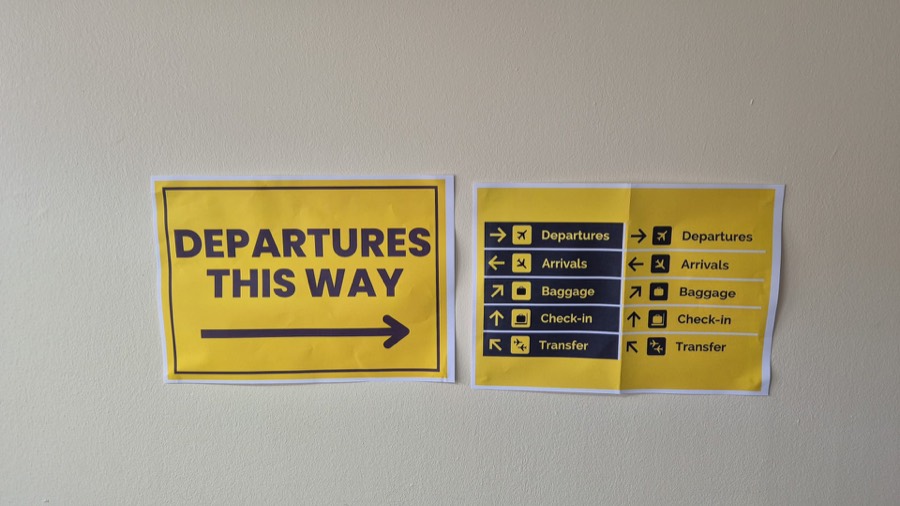
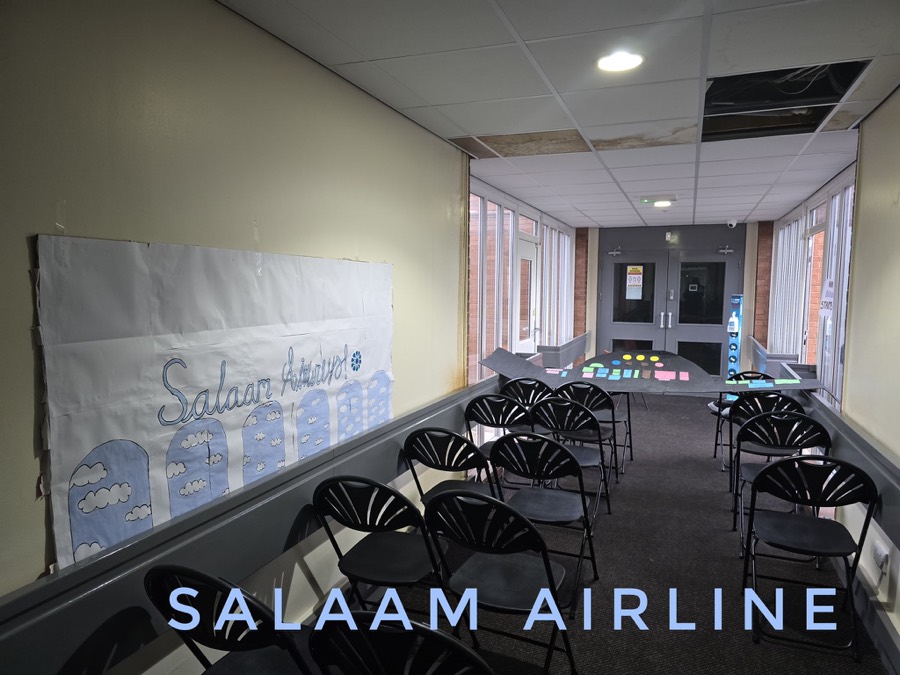
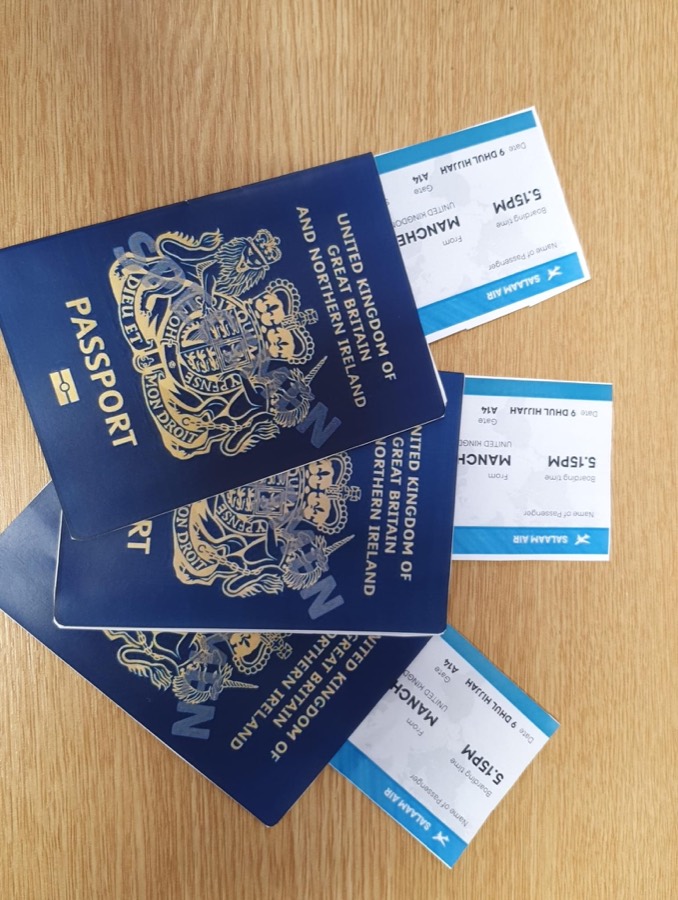
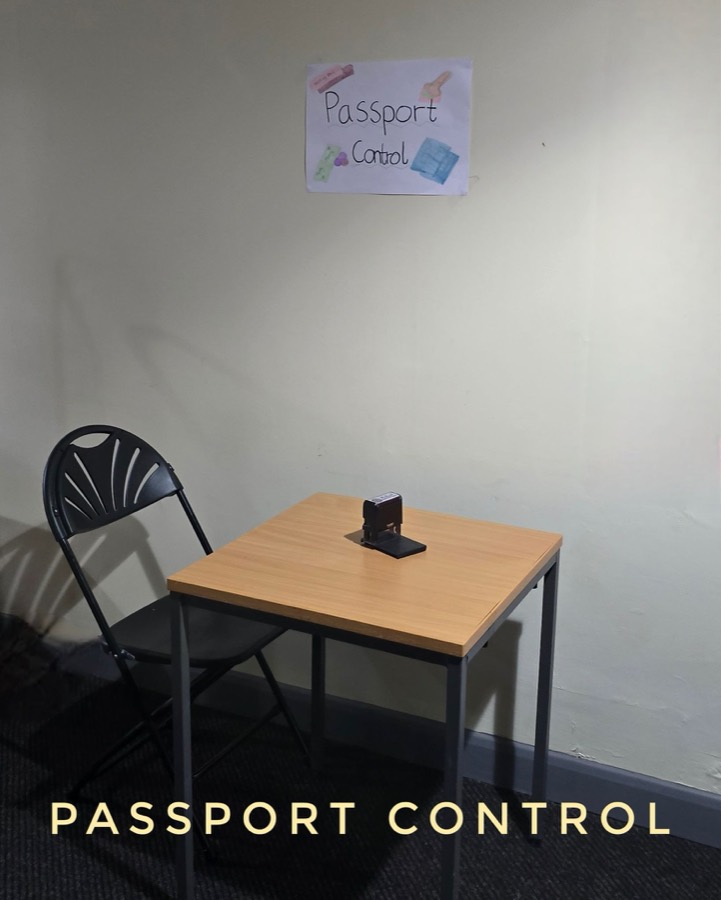
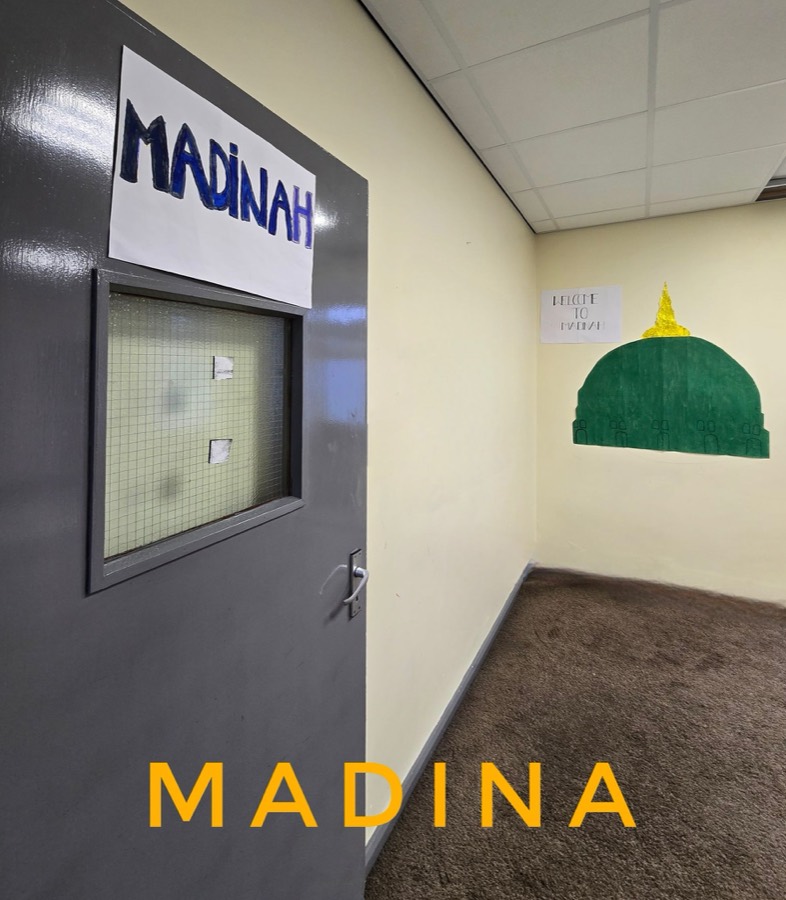
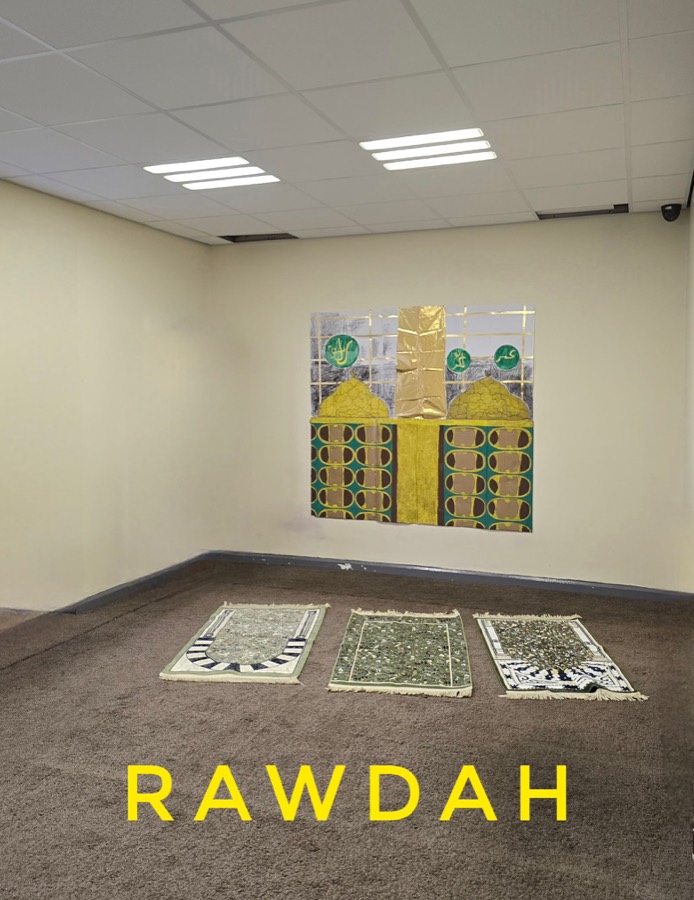
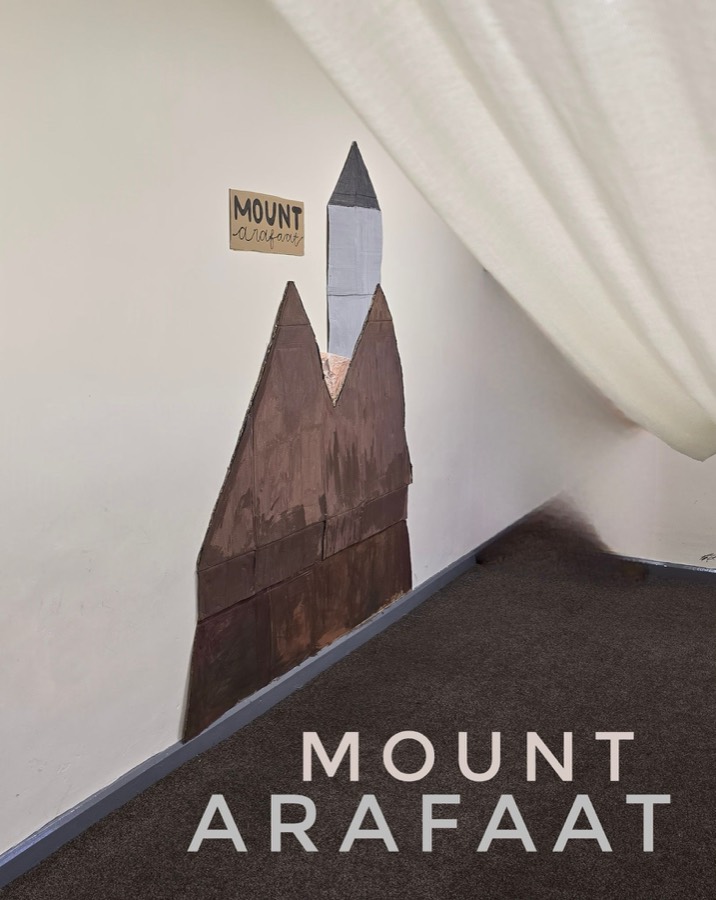
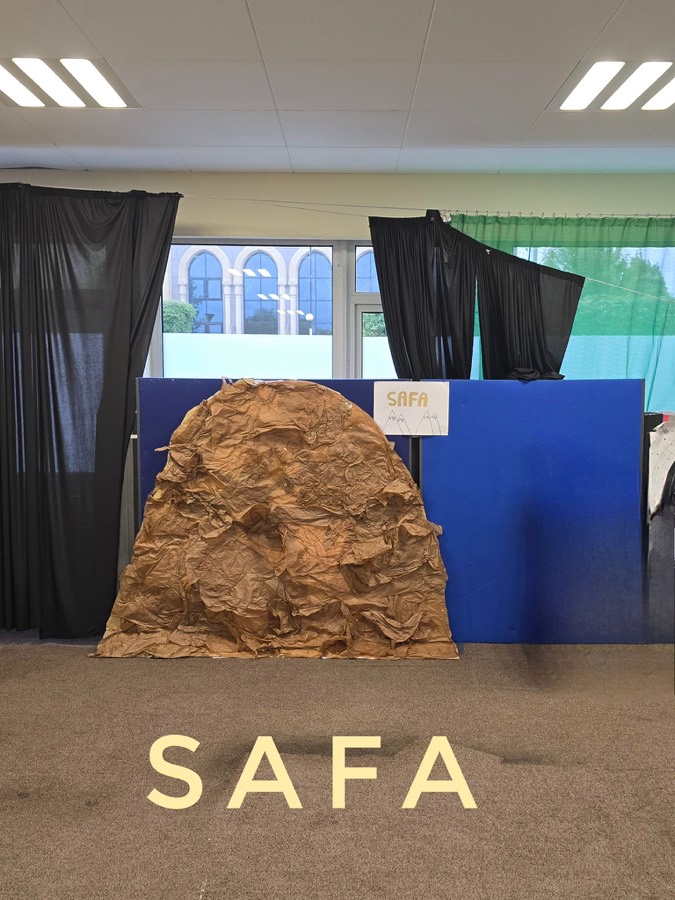
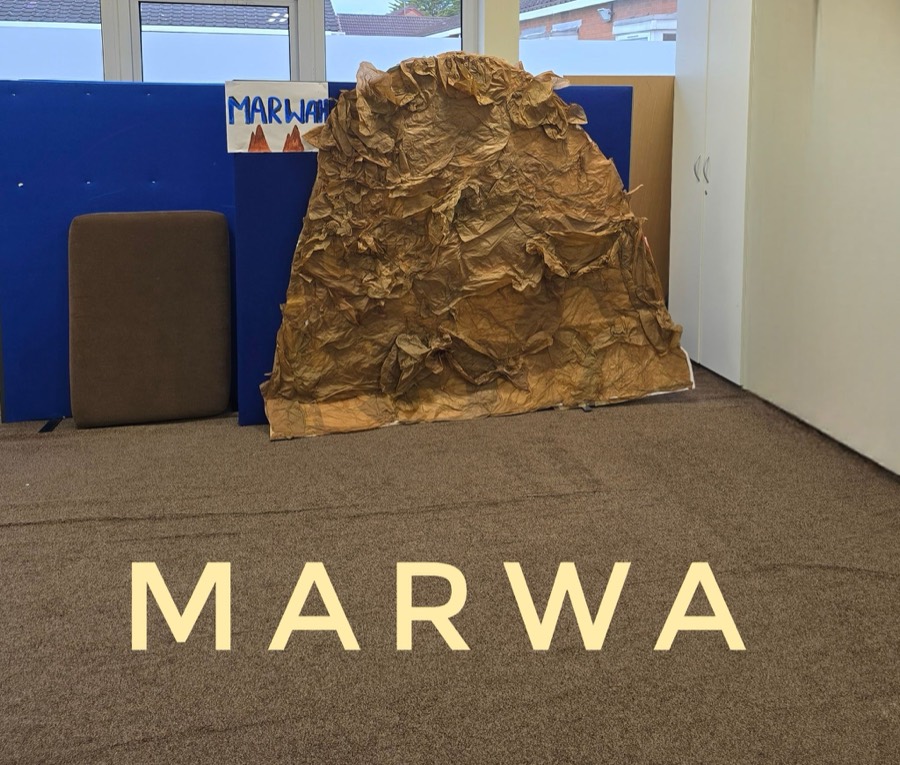
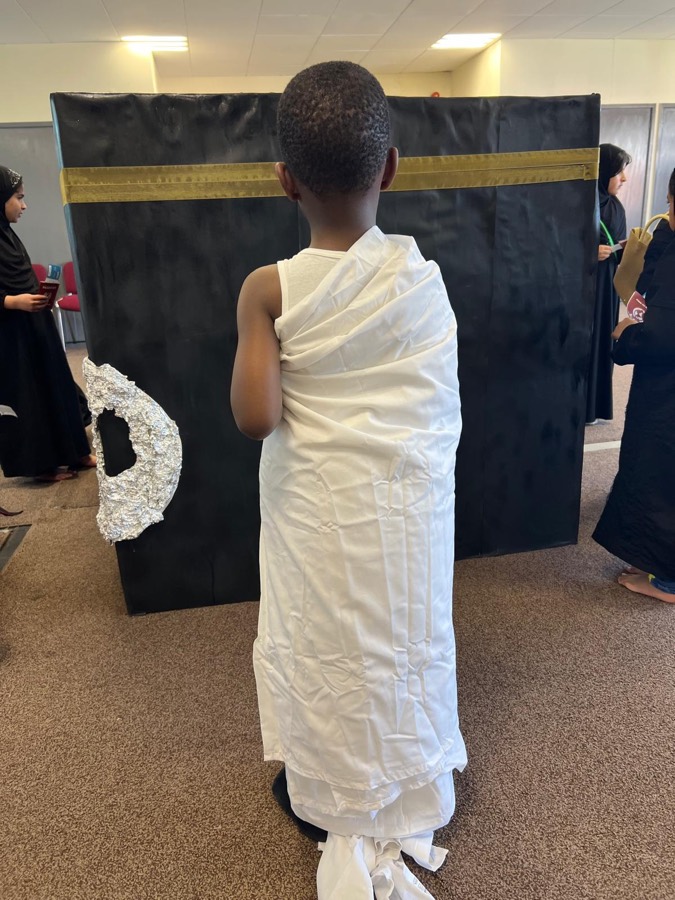
In previous years, the Madrasah has also organised a Mock Hajj programme, where pupils constructed models of the Ka'bah, the tents of Mina, and Mount Safa and Marwah, before taking part in a practical demonstration of the rites of Hajj. This hands-on experience helps children develop a deeper understanding of one of the five pillars of Islam.
Seasonal activities
The Madrasah also delivers seasonal educational activities, helping pupils understand and navigate events that occur throughout the year, such as Christmas and Halloween, from an Islamic perspective. These sessions encourage children to develop a sound Islamic understanding while engaging positively and confidently with the society around them.
Further community activities and programmes may be introduced throughout the year. For more information about our current activities and upcoming events, please contact the Madrasah.
Support
Supporting Madrasah Salaam
Madrasah Salaam is a non-profit organisation dedicated to providing high-quality Islamic education for our children and serving the wider community. While pupil fees help towards our annual operating costs, they cover only a small proportion of the Madrasah's overall expenses. The continued running and development of the Madrasah depends greatly on the generous support of our donors.
Your donations help us meet the costs of:
- Building maintenance and repairs.
- Utility bills and general operating expenses.
- Office administration and educational literature.
- Teaching resources and learning materials.
- Classroom equipment and resource preparation.
- Community programmes and pupil enrichment activities.
Every contribution, no matter the amount, helps us provide a safe, welcoming, and enriching environment where our children can grow in knowledge, character, and faith. We sincerely thank all those who support Madrasah Salaam through their donations and du'as. Your generosity plays a vital role in helping us continue this important work for the benefit of our children and the wider community.
We kindly encourage you to set up a regular standing order, no matter how big or small. Your ongoing support will help sustain the Madrasah for future generations and, Inshā' Allāh, be a means of Sadaqah Jāriyah (continuous charity and perpetual reward).
Bank details
Account details are held back from the page by default. Please check them against a message from the office before you send anything.
- Account name
- Salaam Educational Trust
- Bank
- HSBC
- Sort code
- 40-37-25
- Account number
- 44238095
If anything about these details looks different from what the office told you, stop and call 07534 050317 before sending money.
May Allah (SWT) accept your generosity, bless your wealth, and make your contribution a source of continuous reward in this life and the Hereafter. Āmīn.
Admissions
Calendar
Term dates, holidays and exams for 2026 to 2027, in full.
Download the Madrasah calendar (PDF)How to sign up
Enrolment is by a single online form. If you would rather speak to someone first, call the office between 4:00pm and 7:00pm.